Why It Happens and What Actually Helps with Perimenopause Weight Gain
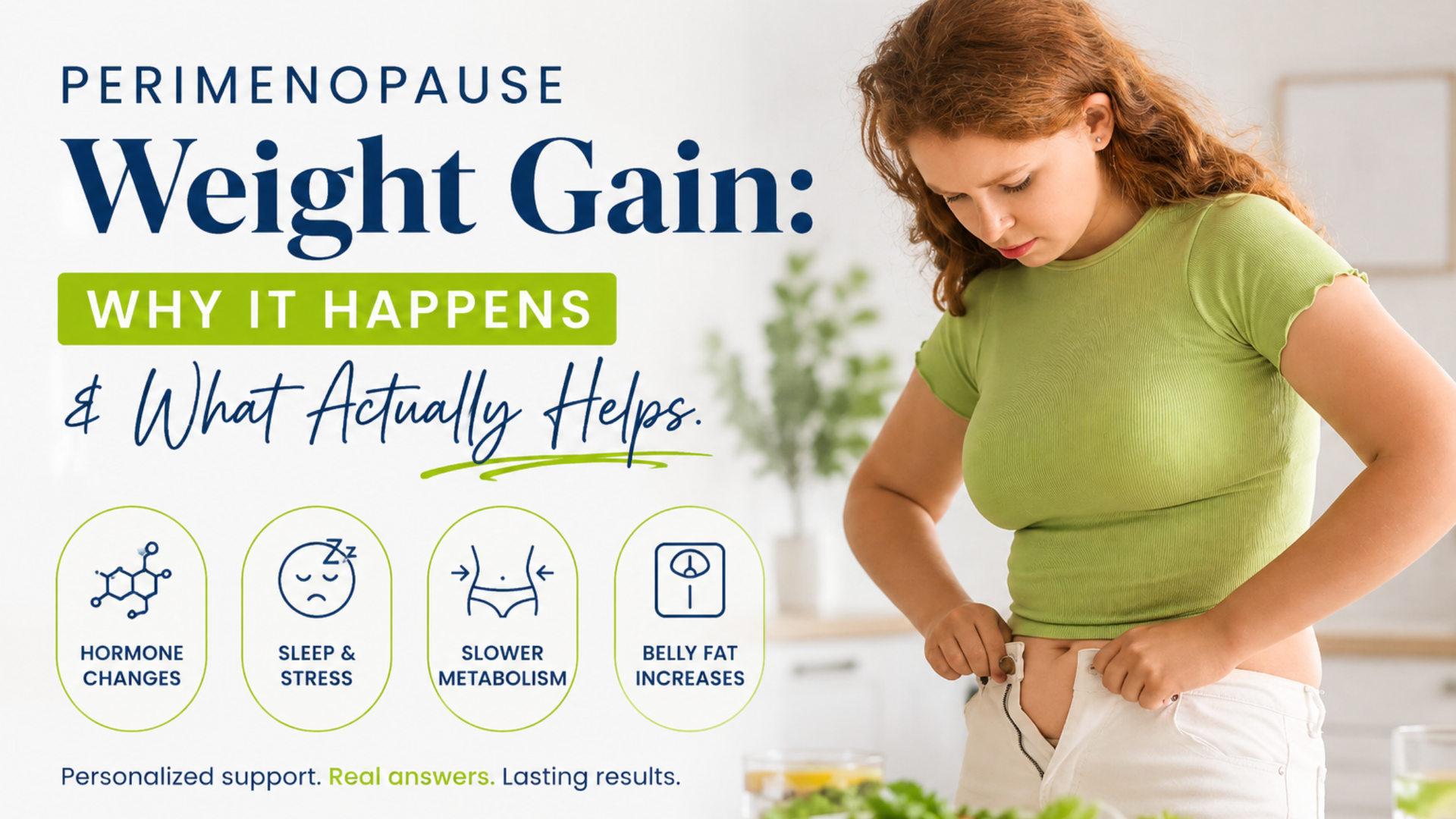
Perimenopause Weight Gain: Why It Happens & What Actually Helps
If you've noticed the number on the scale slowly climbing—or your favorite jeans suddenly fitting tighter around your waist—even though your eating habits haven't changed, you're not imagining it. Perimenopause weight gain is one of the most common concerns I hear from women in their 40s and early 50s. Many tell me the same thing:
"I've always been able to lose weight before. Now nothing works."
The truth is, your body is changing. But that doesn't mean you're destined to gain weight or accept feeling uncomfortable in your own skin.
Understanding why these changes happen is the first step toward creating a plan that actually works.
What Is Perimenopause?
Perimenopause is the transition leading up to menopause.
While menopause is officially defined as going 12 consecutive months without a menstrual period, perimenopause can begin 8 to 10 years earlier, often starting in your early-to-mid 40s.
During this time, hormone levels fluctuate dramatically rather than declining in a straight line.
These hormonal shifts can affect:
- Weight
- Mood
- Sleep
- Memory
- Energy
- Blood sugar
- Cholesterol
- Heart health
- Muscle mass
This is why many women say, "I don't even recognize my body anymore."
Why Does Weight Gain Happen During Perimenopause?
There isn't just one reason.
Instead, several systems begin changing simultaneously.
1. Estrogen Declines
Estrogen plays a much bigger role than reproduction.
It also influences:
- Fat distribution
- Blood sugar regulation
- Muscle maintenance
- Appetite
- Inflammation
As estrogen declines, fat storage naturally shifts away from the hips and thighs and toward the abdomen.
This is why many women notice belly fat appearing for the first time.
2. Muscle Mass Naturally Declines
Beginning around age 30, adults lose approximately 3–8% of muscle mass per decade, with the process accelerating after menopause.
Because muscle burns more calories than fat—even at rest—losing muscle slows metabolism.
That's one reason many women gain weight despite eating exactly the same way they always have.
3. Blood Sugar Changes
Perimenopause can reduce insulin sensitivity.
When insulin doesn't work as efficiently, your body is more likely to:
- Store fat
- Experience sugar cravings
- Feel hungry sooner after meals
- Have afternoon energy crashes
Many women don't realize that these blood sugar changes are often hormonal—not simply a lack of willpower.
4. Poor Sleep Makes Weight Loss Harder
Night sweats.
Hot flashes.
Waking at 3 a.m.
Difficulty falling asleep.
Sleep disruption doesn't just make you tired.
It also changes hunger hormones.
Research shows that inadequate sleep can increase ghrelin (the hormone that stimulates hunger) while decreasing leptin (the hormone that signals fullness). The result? More cravings, increased appetite, and a harder time losing weight.
5. Stress and Cortisol
Perimenopause often overlaps with one of the busiest seasons of life.
Many women are balancing careers, aging parents, teenagers, finances, and changing relationships.
Chronic stress can contribute to elevated cortisol levels, which may increase appetite, affect sleep, and encourage abdominal fat storage over time.
Managing stress isn't just about feeling calmer—it can also support your metabolic health.
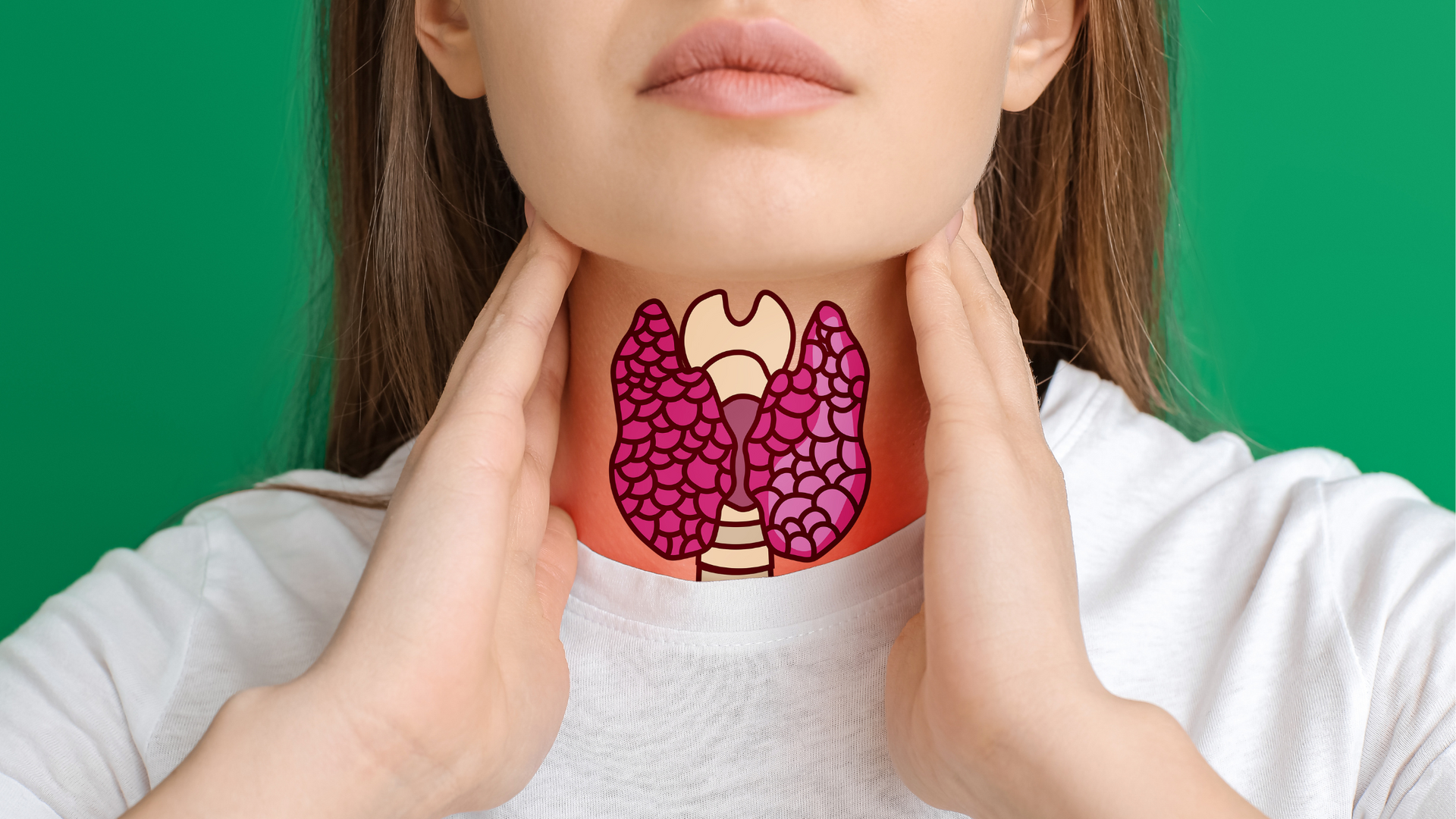
6. Could Your Thyroid Be Part of the Problem?
Many women assume all weight gain during perimenopause is hormonal.
Sometimes it is.
Sometimes it isn't.
Thyroid disorders, particularly Hashimoto's thyroiditis and hypothyroidism, become more common in women during midlife.
Symptoms often overlap with perimenopause:
- Fatigue
- Weight gain
- Hair loss
- Constipation
- Depression
- Dry skin
- Brain fog
- Feeling cold
If your thyroid isn't functioning optimally, losing weight can become significantly more difficult.
Why "Eat Less and Exercise More" Often Doesn't Work
Traditional advice usually focuses on calories alone. Functional medicine asks a different question: Why has your metabolism changed? Weight gain isn't simply about eating too much.
It may involve:
- Hormones
- Thyroid health
- Insulin resistance
- Inflammation
- Poor sleep
- Chronic stress
- Loss of muscle
- Nutrient deficiencies
- Gut health
Each of these factors can influence how your body stores and burns energy.
A Functional Medicine Approach to Perimenopause Weight Gain
Rather than offering the same plan to every patient, I take the time to understand your unique physiology.
Your evaluation may include:
- Comprehensive thyroid testing (not just TSH)
- Blood sugar and insulin markers
- Cholesterol and advanced cardiovascular risk markers
- Hormone assessment when appropriate
- Nutrient deficiencies
- Inflammatory markers
- Lifestyle, sleep, stress, and nutrition review
Instead of chasing symptoms, we work to identify the underlying factors contributing to weight gain and create a personalized plan that supports long-term health.
What Actually Helps?
There is no one-size-fits-all solution, but these evidence-informed strategies can make a meaningful difference.
Prioritize Protein
Aim to include a quality source of protein with every meal to support muscle maintenance and help you feel full longer.
Lift Weights
Strength training is one of the most effective ways to preserve muscle, improve insulin sensitivity, and support metabolism during perimenopause.
Eat More Fiber
Fiber supports gut health, blood sugar regulation, and healthy cholesterol levels while increasing satiety.
Improve Sleep
Creating a consistent bedtime routine and addressing sleep disruptions can positively influence appetite hormones and metabolism.
Manage Stress
Simple practices like walking, yoga, deep breathing, and mindfulness may help reduce the effects of chronic stress on the body.
Personalize Your Nutrition
What works for your friend may not work for you. Nutrition should be tailored to your metabolism, medical history, lifestyle, and goals.
Frequently Asked Questions
Is belly fat during menopause normal?
Yes. Many women notice more abdominal fat during perimenopause because of hormonal changes. While common, it doesn't mean it's inevitable or irreversible.
Should I fast during perimenopause?
Intermittent fasting may benefit some women, but it isn't appropriate for everyone. Women experiencing significant hormone imbalance, high stress, or blood sugar instability may need a different approach.
Can hormone therapy help with weight gain?
Hormone therapy isn't a weight-loss treatment, but for some women it may improve symptoms like sleep disruption, hot flashes, and body composition when used appropriately. Discuss the risks and benefits with your healthcare provider.
Are GLP-1 medications an option?
For some women, GLP-1 medications may be an appropriate part of a comprehensive weight management plan. They often work best when combined with personalized nutrition, strength training to preserve muscle mass, healthy sleep habits, and strategies to support long-term metabolic health.
However, GLP-1 medications aren't right for everyone. Before starting treatment, it's important to review your personal and family medical history with your healthcare provider.
These medications are not recommended for individuals with a personal or family history of medullary thyroid carcinoma (MTC) or Multiple Endocrine Neoplasia syndrome type 2 (MEN2).
If you have hypothyroidism, Hashimoto's thyroiditis, or another thyroid condition, GLP-1 medications may still be an option, but your thyroid health should be carefully evaluated and monitored as part of your overall treatment plan. Because GLP-1 medications slow stomach emptying, they may also not be appropriate for people with gastroparesis (delayed stomach emptying) or certain digestive conditions that already cause significant nausea, vomiting, or slow digestion.
The best approach is an individualized one. At Dr. Lisa Gengo's practice, we evaluate your hormone health, thyroid function, metabolic health, digestive health, and overall goals before determining whether a GLP-1 medication is an appropriate part of your treatment plan.
You Don't Have to Figure It Out Alone
If you're in Stamford, Greenwich, Darien, New Canaan, Norwalk, Westport, or anywhere in Fairfield County, and you're frustrated because your body isn't responding the way it used to, know that there are answers.
At Dr. Lisa Gengo's practice, we don't just focus on the number on the scale. We evaluate the interconnected factors that influence weight, hormones, thyroid function, metabolism, and long-term cardiovascular health to create a personalized plan designed for you.
If you're ready to stop guessing and start understanding what's really happening in your body, we'd love to help.
Schedule your complimentary 15-minute Discovery Call today to learn how a personalized functional medicine approach can help you regain energy, improve your metabolic health, and feel like yourself again. Ready to get started? Give us a call to schedule your appointment! (203) 434-9143
Medical Disclaimer
This blog article is for educational purposes only and should not be used as a substitute for personalized medical advice, diagnosis, or treatment. Always consult your healthcare provider regarding your individual health concerns.
Curious to Learn More? Check out our Heart Attack Symptoms in Women blog: 10 Insights from Dr. Lisa Gengo.
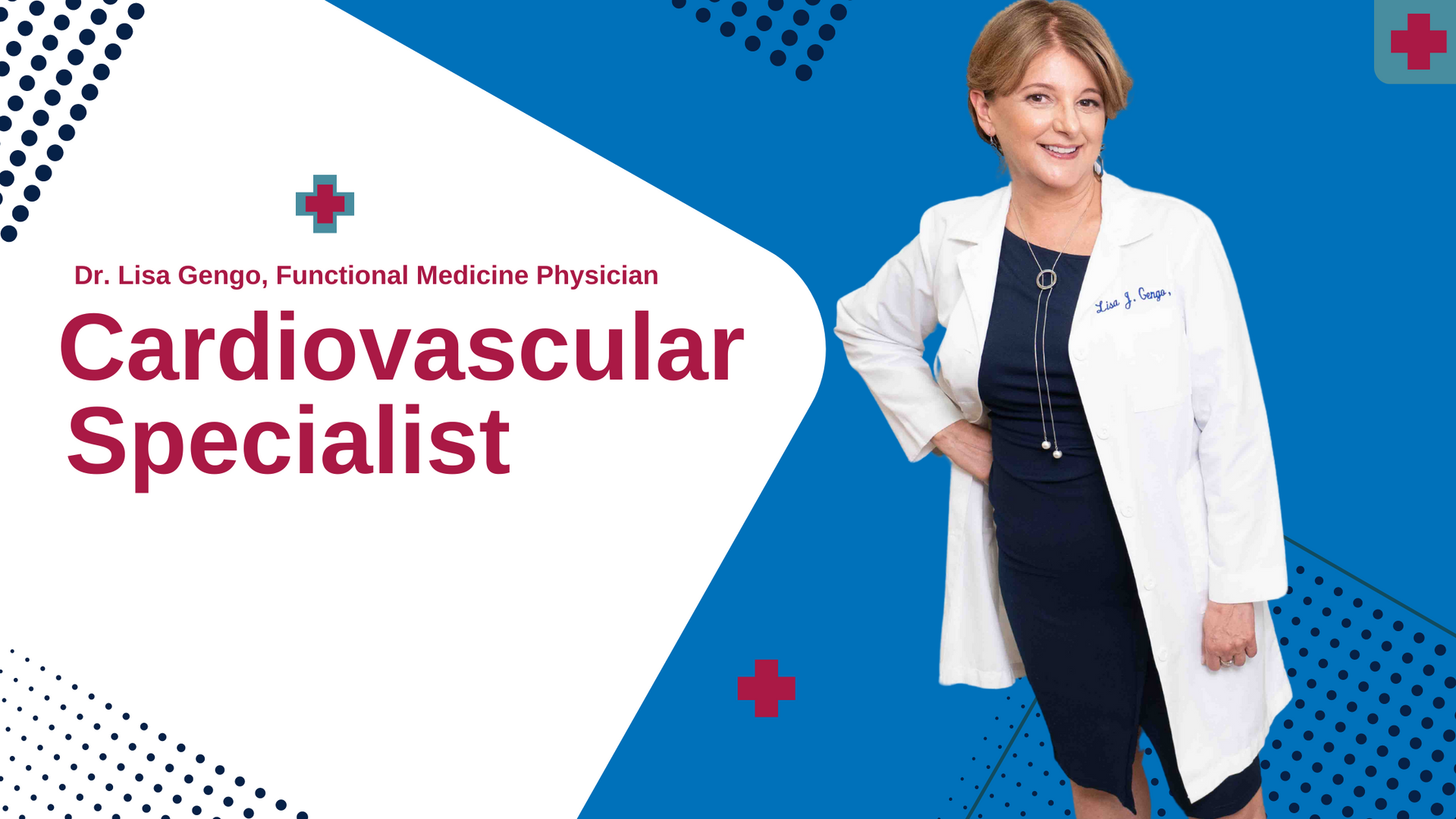
Dr. Lisa Gengo, a "health detective," excels in unraveling the underlying triggers of heart health challenges such as hypertension (cardiovascular health), gut disorders, thyroid disorders, and weight resistance. Her expert nutritional guidance is instrumental in addressing these concerns, which often play critical roles in conditions like weight gain, sleep disorders, and a spectrum of intricate medical issues. Click here to learn more about Dr. Gengo's holistic approach and specialized expertise. —Dr. Lisa Gengo's Functional Medicine Practice.