How Perimenopause Affects Your Heart, and When to Get Checked

Heart Palpitations in Your 40s: Is It Perimenopause, Anxiety, or Your Heart?
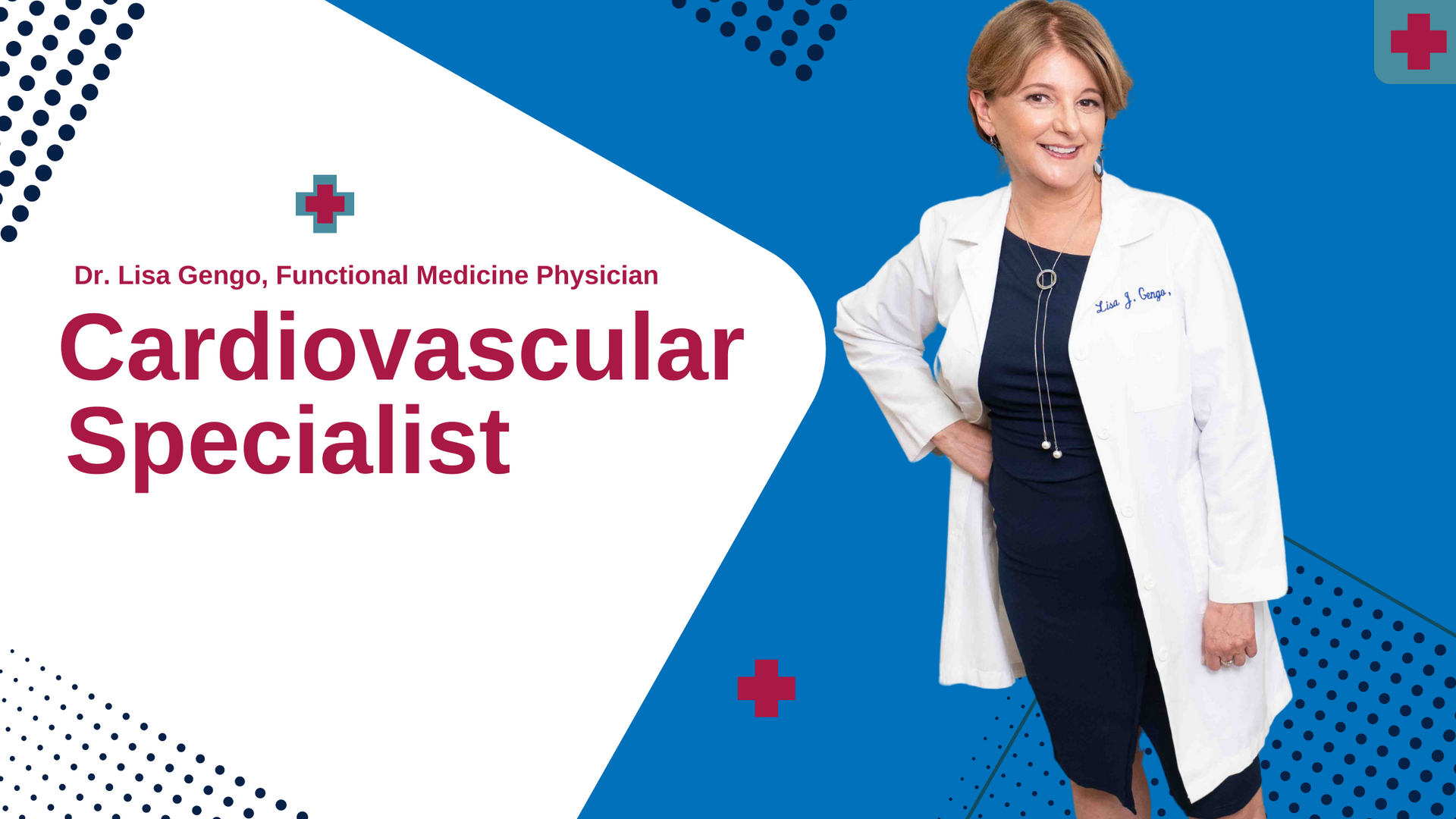
By Dr. Lisa Gengo | Functional Medicine Physician | Stamford, Connecticut
Your heart suddenly starts racing while you're sitting on the couch. Or perhaps you're lying in bed, ready to fall asleep, when you feel an unexpected flutter in your chest.
You stop for a moment.
Was that my heart?
Is something wrong?
Could this be perimenopause?
If you're a woman in your 40s or 50s, these questions may sound familiar.
The short answer: Heart palpitations can occur during perimenopause, but hormonal changes aren't the only possible explanation. Thyroid problems, anemia, stress, medications, poor sleep, and heart rhythm disorders can also cause a racing, pounding, or fluttering heartbeat.
Many palpitations are harmless. Others need medical attention.
And here's something important: Just because you're at an age when hormones are changing doesn't mean you should blame every new symptom on hormones.
Understanding what's happening requires looking at the bigger picture.
What Do Heart Palpitations Feel Like?
Heart palpitations are sensations that make you unusually aware of your heartbeat.
Some women describe them as:
- A fluttering or butterfly sensation in the chest
- A heartbeat that suddenly feels fast or forceful
- A skipped beat followed by a noticeable thump
- A pounding heartbeat while lying in bed
- A brief sensation that the heart is flip-flopping
- A racing heartbeat that seems to appear without warning
Palpitations may last only a few seconds or continue for several minutes or longer.
Sometimes they happen during exercise, after caffeine, or during stressful situations. Other times, they seem to occur when you're doing absolutely nothing.
And that's what can make them so unsettling.
You may feel perfectly fine one minute and suddenly become very aware of your heartbeat the next.
The sensation itself doesn't always tell us whether the underlying cause is harmless or potentially serious.
That's why new, recurring, prolonged, or worsening palpitations deserve medical attention.
The Aha Moment: Your Heart and Your Hormones Are Connected, but They're Not the Same Thing
Many women understand that estrogen plays a role in reproductive health.
What may be less familiar is that estrogen also influences blood vessels, metabolism, and cardiovascular function.
During perimenopause, estrogen levels don't simply decline in a straight line. They can fluctuate considerably as the body moves toward menopause.
These changes may occur alongside symptoms such as hot flashes, night sweats, sleep disruption, and an increased awareness of the heartbeat.
Some women notice palpitations during a hot flash. Others experience them at night or during periods of poor sleep.
Researchers are still studying the precise relationship between menopause-related hormonal changes and palpitations. The connection isn't fully understood, and estrogen fluctuations don't explain every episode.
Here's the aha moment:
Your hormones may be changing, but that doesn't mean your heart symptoms are automatically hormonal.
A woman can be experiencing perimenopause and have an unrelated thyroid problem.
She can be having hot flashes and also have anemia.
She can be dealing with stress while also having an abnormal heart rhythm.
One explanation doesn't automatically rule out another.
And this is exactly why I believe women's midlife health deserves a comprehensive approach.
Perimenopause vs. Menopause: Why the Timing Matters
Perimenopause is the transition leading up to menopause.
For many women, it begins in their 40s, though timing varies.
During this stage, menstrual cycles may become irregular, and symptoms can come and go.
You might experience several months of disrupted sleep, followed by a period when everything seems normal again.
Or you may begin noticing symptoms you never associated with hormones, including changes in energy, concentration, mood, and heartbeat awareness.
Menopause is reached after 12 consecutive months without a menstrual period, provided there is no other medical explanation.
After menopause, hormone levels generally remain lower, although symptoms and individual experiences continue to vary.
The important distinction is that cardiovascular risk also changes as women age.
The American Heart Association recognizes the menopause transition as an important opportunity to evaluate cardiovascular and metabolic health.
That includes paying attention to changes in blood pressure, cholesterol, body composition, blood sugar, and other risk factors.
Perimenopause is not a heart disease diagnosis. But it is an important time to pay attention to your heart.
What Else Can Cause Heart Palpitations in Women Over 40?
One of the biggest mistakes we can make is assuming that symptoms occurring during midlife must be caused by menopause.
Several other factors may contribute to palpitations.
1. Thyroid Problems
Your thyroid helps regulate metabolism and influences how your cardiovascular system functions.
An overactive thyroid can cause a rapid heartbeat, palpitations, sweating, and feelings of nervousness.
Some thyroid symptoms can overlap with symptoms women associate with perimenopause.
For example, feeling unusually warm, sleeping poorly, and experiencing a racing heart might initially sound hormonal.
But thyroid dysfunction could be part of the picture.
The takeaway: Similar symptoms don't always have the same cause.
2. Low Iron or Anemia
Some women experience heavier or more unpredictable menstrual bleeding during perimenopause.
Over time, significant blood loss can contribute to iron deficiency and sometimes anemia.
Anemia can cause fatigue, shortness of breath, dizziness, and a noticeable or rapid heartbeat.
If you're experiencing unusually heavy periods along with palpitations, both concerns deserve medical evaluation.
3. Stress, Anxiety, and the Nervous System
Stress can increase adrenaline and make your heartbeat feel faster or stronger.
Anxiety can also increase awareness of normal heartbeat sensations.
But there's an important distinction.
Feeling anxious during a palpitation doesn't prove anxiety caused it.
Sometimes the racing heartbeat comes first, and anxiety follows because the sensation is frightening.
This is why I don't believe new or persistent palpitations should automatically be dismissed as stress.
4. Sleep Problems
Sleep disruption is common during midlife.
Night sweats, insomnia, stress, and inconsistent sleep schedules can affect how you feel throughout the day.
Poor sleep may also increase sensitivity to caffeine and stress.
Obstructive sleep apnea is another condition worth considering when symptoms and risk factors suggest it. Sleep apnea is associated with cardiovascular problems, including certain heart rhythm disorders.
If you're waking up exhausted, snoring, or experiencing interrupted sleep, those details may be relevant to your overall health.
5. Caffeine, Alcohol, and Medications
Sometimes the explanation is related to something in your daily routine.
Excessive caffeine, alcohol, dehydration, and certain medications can contribute to palpitations.
Some cold medications, decongestants, asthma medications, and stimulant medications can also affect heart rate.
This doesn't mean you should stop prescribed medications on your own.
It means your medication and supplement history is an important part of understanding your symptoms.
6. Heart Rhythm Disorders
Not every palpitation is caused by hormones, stress, or lifestyle.
Sometimes the heart's electrical rhythm is responsible.
Conditions such as atrial fibrillation and other arrhythmias may cause racing, fluttering, or irregular heartbeats.
Some rhythm disturbances are relatively benign. Others require treatment because they can affect cardiovascular health or increase the risk of complications.
This is why persistent or recurring palpitations deserve a medical evaluation rather than a guess.
When Should You Worry About Heart Palpitations?
This is one of the most important questions in this article.
Many brief palpitations are not dangerous, particularly when they occur without other symptoms.
However, you should seek prompt medical evaluation for new, frequent, prolonged, or worsening episodes.
Call 911 immediately if palpitations occur with:
- Chest pain, pressure, or discomfort
- Severe shortness of breath
- Fainting or loss of consciousness
- Severe dizziness or feeling as though you may pass out
- Other symptoms suggesting a heart attack, including pain in the arm, back, neck, or jaw, or unexplained cold sweating and nausea
Women can experience heart attack symptoms that are less obvious than the dramatic chest pain often portrayed on television.
Never assume potentially serious symptoms are simply perimenopause or anxiety.
For more information, read Heart Attack Symptoms in Women.
What My Years in Cardiac Surgery Taught Me About Listening to Symptoms
Before transitioning into functional medicine, I spent years working in cardiac surgery, including serving as Chief Physician Assistant at NewYork-Presbyterian/Weill Cornell.
That experience continues to influence how I approach cardiovascular health today.
I have seen firsthand the importance of recognizing cardiovascular problems and understanding the factors that may contribute to them.
And one lesson has stayed with me:
A symptom deserves to be understood, not simply labeled.
When a woman tells me her heart has started racing unexpectedly, I don't want to assume the answer before understanding her health history.
I want to know what has changed.
Is this a new symptom?
Has it become more frequent?
Are there other changes in her health?
What is happening with her blood pressure, thyroid health, sleep, medications, and overall cardiovascular risk?
Sometimes the explanation is relatively straightforward.
Other times, a more focused medical evaluation or referral to a cardiologist is necessary.
My goal is not to replace conventional cardiovascular care. My background in cardiac surgery has given me tremendous respect for it.
Instead, I bring that experience into a broader approach to understanding cardiovascular and metabolic health.
The Second Aha Moment: A Normal Office Visit Doesn't Always Explain an Intermittent Symptom
Imagine your heart starts fluttering at 10:30 at night.
The sensation lasts two minutes and disappears.
The next morning, you feel normal.
A few days later, you visit your healthcare provider. Your heartbeat sounds normal during the examination.
Does that mean the episode didn't happen?
Of course not.
Symptoms that come and go may not be present during a scheduled appointment.
A normal examination or a single normal electrocardiogram can be reassuring, but it doesn't necessarily exclude an intermittent rhythm problem.
Depending on the situation, your healthcare provider may recommend additional evaluation or heart rhythm monitoring.
The important point isn't that everyone needs extensive testing.
It's that the evaluation should fit the symptoms, medical history, and individual risk.
More testing isn't always better. The right evaluation matters.
What Can You Do If You're Experiencing Palpitations?
While you're arranging an appropriate medical evaluation, there are several practical steps that may help you better understand your symptoms.
Pay Attention to Patterns
Notice whether palpitations occur after caffeine, during stressful periods, following poor sleep, or around hot flashes.
Consider writing down when they happen, how long they last, and whether you experience other symptoms.
If you have a wearable device that records your heart rhythm, saved information may be useful to share with your healthcare provider.
However, a smartwatch cannot reliably rule out every heart rhythm problem.
Protect Your Sleep
Consistent sleep habits are important for cardiovascular and metabolic health.
Try to maintain a regular sleep schedule, limit late caffeine, and discuss persistent insomnia or possible sleep apnea with your healthcare provider.
Support Your Cardiovascular Health Through Nutrition
A heart-supportive eating pattern includes vegetables, fruit, fiber-rich foods, legumes, nuts, appropriate protein, and healthy unsaturated fats.
Good nutrition supports blood pressure, cholesterol, and metabolic health.
However, food changes are not a substitute for evaluating an unexplained heart rhythm symptom.
Stay Physically Active
Regular movement supports cardiovascular health, muscle mass, metabolic function, and stress management.
If palpitations occur during exercise, particularly with dizziness, chest discomfort, or breathlessness, stop exercising and seek medical advice. Severe symptoms require emergency care.
Review Your Daily Habits
Pay attention to caffeine, alcohol, hydration, medications, and supplements.
Sometimes these factors contribute to symptoms.
But if palpitations persist, don't assume changing your coffee intake has solved the underlying problem without appropriate evaluation.
Why Cardiovascular Health Deserves More Attention During Midlife
For many women, the 40s and 50s are years of significant change.
You're managing a career, family responsibilities, aging parents, or other demands.
At the same time, your body may be changing in ways you didn't anticipate.
Perhaps your cholesterol is higher than it used to be.
Maybe your blood pressure has started increasing.
You may notice changes in abdominal weight, muscle mass, sleep, or energy.
These changes aren't necessarily caused by one problem.
But they can be connected through broader cardiovascular and metabolic processes.
Here's another important aha moment:
The most valuable time to think about heart disease isn't after a cardiovascular event. It's before one happens.
That doesn't mean every woman in midlife is destined to develop heart disease.
It means this stage of life offers an important opportunity to understand your individual risk and take appropriate preventive steps.
How Dr. Lisa Gengo Approaches Cardiovascular and Metabolic Health
At my Stamford, Connecticut practice, I focus on understanding the bigger picture of each patient's health.
My background in cardiac surgery and my work in functional medicine allow me to approach cardiovascular prevention with an appreciation for both established medical care and the broader factors that influence long-term health.
Depending on the individual, our conversations may include cardiovascular risk, thyroid health, metabolic health, nutrition, sleep, stress, physical activity, and changes in body composition.
I don't believe every patient needs the same evaluation or the same plan.
And I don't believe that every symptom in a woman over 40 should automatically be attributed to menopause.
If hormonal treatment is being considered, I work alongside the patient's gynecologist or menopause specialist. I do not prescribe hormone replacement therapy.
My focus remains on cardiovascular and metabolic health (blood sugar and weight control) and the other factors that may influence how a patient feels.
For symptoms suggesting a heart rhythm disorder, appropriate cardiac evaluation and specialist care remain essential.
The goal is to connect the dots without overlooking something important.
Frequently Asked Questions About Heart Palpitations in Your 40s
Can perimenopause cause heart palpitations?
Yes. Some women report palpitations during perimenopause, particularly alongside hot flashes, night sweats, and sleep changes. Hormonal fluctuations may contribute, but the exact mechanisms are still being studied. New or recurring palpitations should not automatically be attributed to perimenopause without considering other causes.
Why does my heart race when I lie down at night?
You may notice your heartbeat more when you're lying quietly because there are fewer distractions. Caffeine, stress, poor sleep, certain medications, and heart rhythm changes may also contribute. If episodes are recurring, prolonged, or accompanied by other symptoms, seek medical evaluation.
Can anxiety cause heart palpitations?
Yes. Anxiety and stress can cause a racing or pounding heartbeat. However, palpitations can also create anxiety. It's important not to assume anxiety is the cause without considering other possible medical explanations.
Can thyroid problems cause heart palpitations?
Yes. An overactive thyroid can cause a fast heartbeat, palpitations, sweating, and other symptoms. Thyroid dysfunction can sometimes overlap with symptoms commonly associated with perimenopause.
Are heart palpitations a sign of heart disease?
Not always. Many palpitations are benign, but some are caused by abnormal heart rhythms or other medical conditions. A person's symptoms, medical history, and clinical evaluation help determine whether further assessment is necessary.
Does menopause increase a woman's risk of heart disease?
Cardiovascular risk generally increases with age, and the menopause transition can be associated with changes in cholesterol, body composition, blood pressure, and metabolic health. The American Heart Association identifies midlife as an important opportunity for cardiovascular prevention.
Should I see a cardiologist for heart palpitations?
A primary care clinician can often begin the evaluation. A cardiologist may be needed when symptoms suggest an abnormal rhythm, when palpitations are persistent or unexplained, or when there are additional cardiovascular concerns. Emergency symptoms require immediate care.
Where can I find a functional medicine physician focused on cardiovascular health near Stamford, CT?
Dr. Lisa Gengo is a functional medicine physician in Stamford, Connecticut, with a professional background in cardiac surgery. She serves patients from Stamford, Greenwich, Darien, New Canaan, Westport, Norwalk, and surrounding Fairfield County communities.
Her practice focuses on cardiovascular and metabolic health, thyroid concerns, chronic fatigue, gut health, and personalized preventive care.
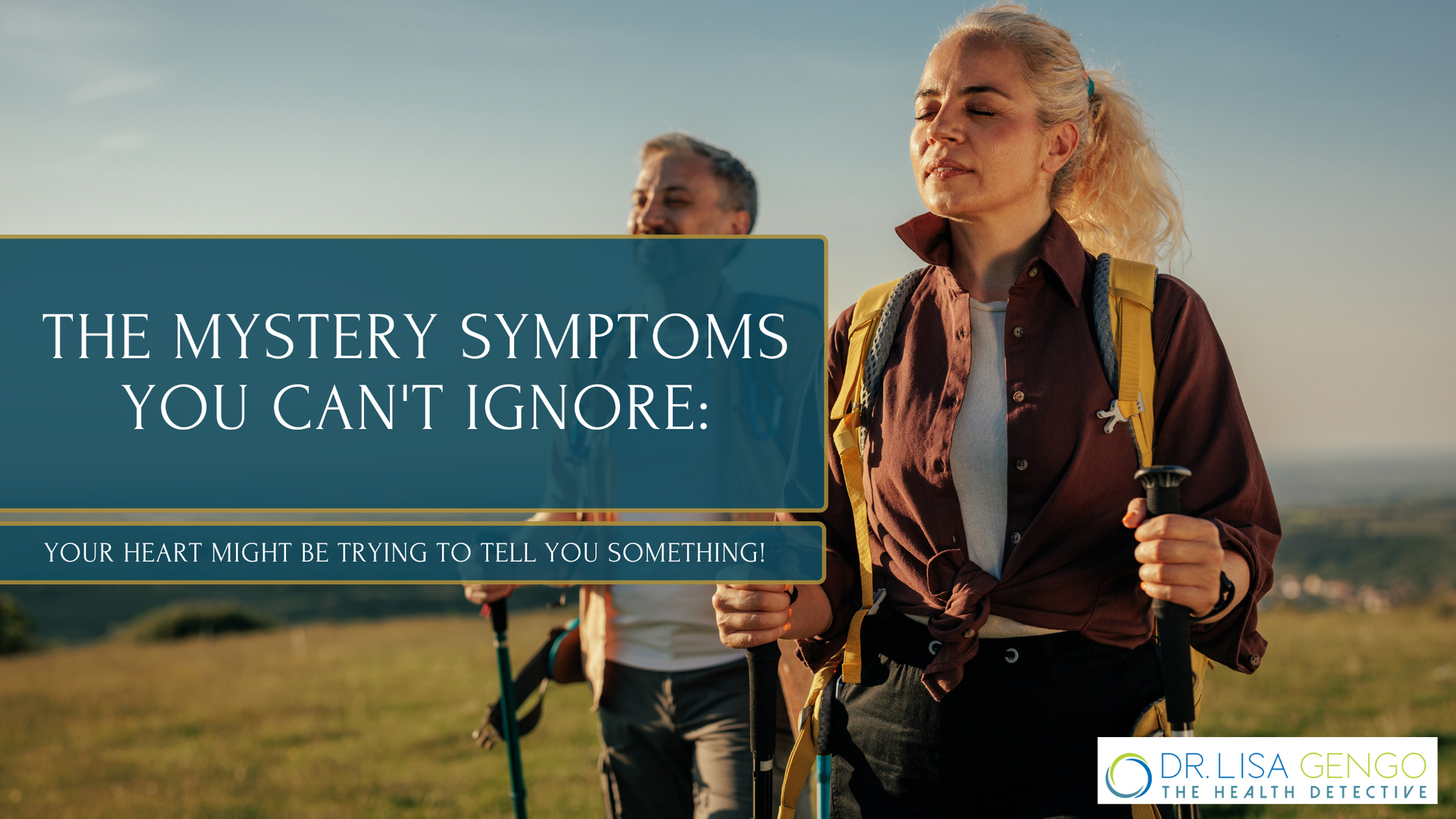
Your Heart Is Trying to Tell You Something. Don't Guess What It Means.
A fluttering heartbeat may turn out to be harmless.
It may be linked to changes during midlife.
Or it may signal that something else deserves attention.
The important thing is not to assume you already know the answer.
Your symptoms, medical history, cardiovascular risk factors, and overall health all matter. If you're navigating changes in your 40s or 50s and want a more comprehensive understanding of your cardiovascular and metabolic health, Dr. Lisa Gengo offers a personalized approach informed by her years of experience in cardiac surgery and functional medicine.
Schedule a complimentary 15-minute Discovery Call with Dr. Lisa Gengo.
Stamford, Connecticut |
203-434-9143
www.drgengo.com
For new or persistent palpitations, seek a medical evaluation rather than waiting for a discovery call. Call 911 for emergency symptoms.
Related Reading
- Heart Attack Symptoms in Women
- Hypertension and Menopause: Why Women Need to Pay Attention
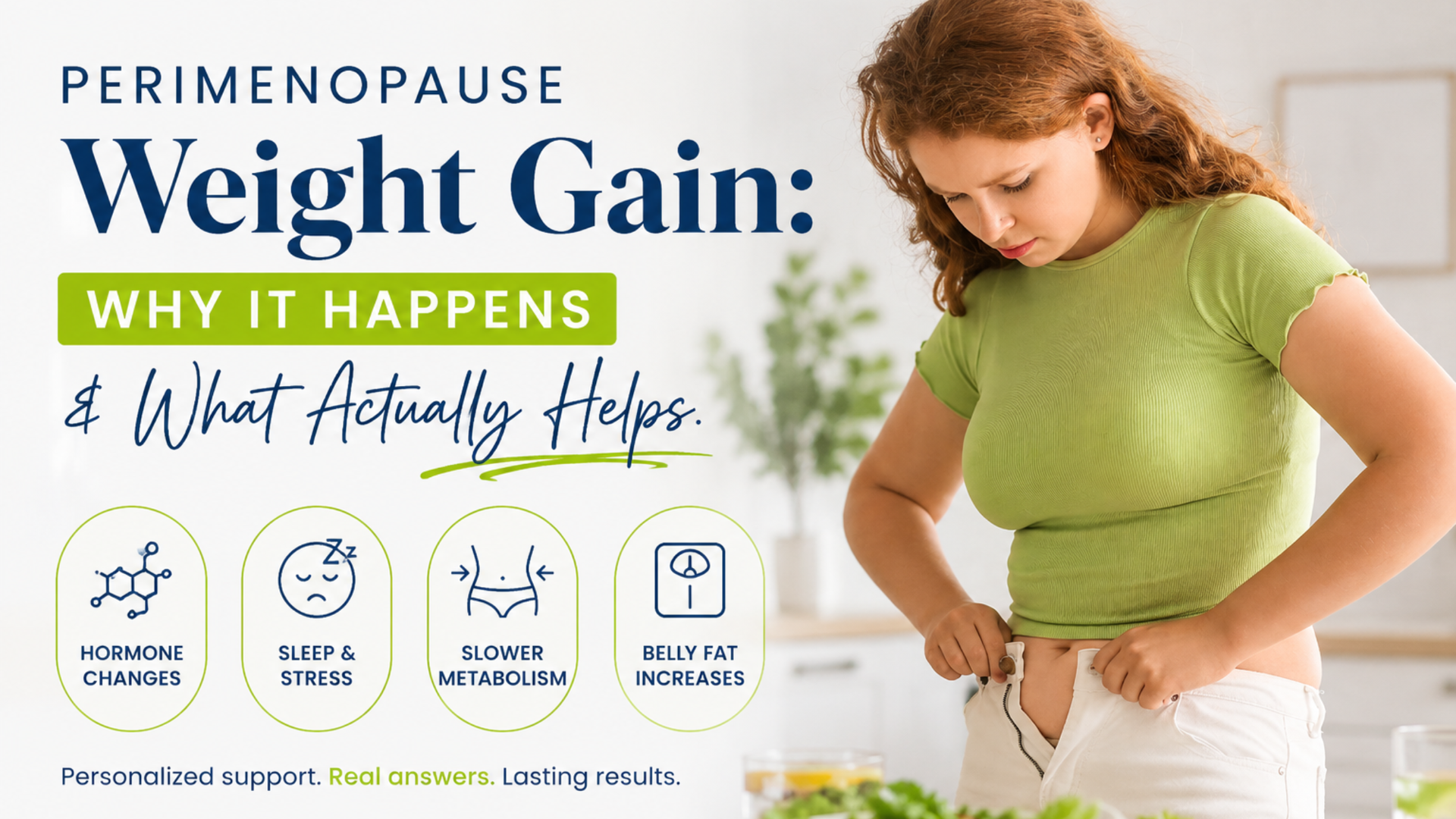
- Perimenopause Weight Gain: Why It Happens and What Actually Helps
- Heart Health
Medical disclaimer: This article is for educational purposes only and does not replace individualized medical advice, diagnosis, or treatment. If you experience chest pain, severe shortness of breath, fainting, or other emergency symptoms, call 911 immediately.