Why Cholesterol Is Only One Part of Your Heart Health
Your Cholesterol Is "Normal." So Why Could You Still Be at Risk for Heart Disease?
Quick answer: Yes. Cholesterol is an important part of heart disease risk, but it is only one part. Blood pressure, blood sugar, metabolic health, family history, menopause and other factors also matter, which is why a "normal" cholesterol result needs context from a physician who looks at your whole cardiovascular picture.
You went to your doctor. You had your annual bloodwork. Your cholesterol came back "normal."
So your heart is in the clear...right?
Not necessarily.
A standard cholesterol panel is an important part of understanding cardiovascular health, but it doesn't tell the entire story.
Heart disease develops over years, and your cardiovascular risk can be influenced by far more than one LDL or total cholesterol number. Blood pressure, blood sugar, metabolic health, inflammation, genetics, family history, smoking, sleep, physical activity, body composition, menopause and other factors can all contribute to your overall risk.
That's why I encourage patients to ask a slightly different question.
Instead of: "Is my cholesterol normal?"
Ask: "What does my overall cardiovascular health look like?"
That one change in perspective can lead to a very different conversation.
The Aha Moment: "Normal" Isn't the Same as "No Risk"
This is one of the most important things I want patients to understand.
A laboratory reference range tells us whether a result falls within a particular range. It does not automatically tell us your individual risk of developing cardiovascular disease.
Two people can have similar cholesterol results and very different health histories.
One may be active, metabolically healthy, have normal blood pressure, and no significant family history of premature cardiovascular disease.
The other may have the same cholesterol number but also have high blood pressure, increasing blood sugar, abdominal weight gain, a strong family history of early heart disease, poor sleep, or other risk factors.
Same cholesterol number. Very different patient.
That is why your numbers need context.
What My Years in Cardiac Surgery Taught Me
Before becoming a functional medicine physician, I spent years working in cardiac surgery, including serving as Chief Physician Assistant at NewYork-Presbyterian/Weill Cornell.
That experience continues to shape the way I practice medicine today. I saw what advanced cardiovascular disease looked like when patients reached the operating room.
And it taught me something I have never forgotten: heart disease is rarely about one number.
A large study of more than 136,000 hospitalizations for coronary artery disease illustrates this point. Nearly half of patients who had lipid measurements on admission had LDL cholesterol below 100 mg/dL.
That does not mean LDL cholesterol isn't important. It absolutely is.
What it tells us is that looking at LDL alone may not capture everything contributing to a person's cardiovascular risk.
My work today allows me to approach the problem from another direction. Rather than only asking what we do once cardiovascular disease becomes advanced, I'm interested in another question:
What can we recognize earlier?
Your Cholesterol Test Is One Chapter, Not the Whole Story
Think of your standard cholesterol test as one chapter in a book. It's useful. You absolutely want to read it.
But you wouldn't read Chapter 3 of a novel and assume you know the entire story.
Your cardiovascular health is similar. A traditional cholesterol panel provides important information about cholesterol and triglycerides circulating in your blood. But cardiovascular risk is influenced by a much broader combination of factors.
Depending on your health history, symptoms, family history and previous results, there may be reasons for your physician to look more deeply. And this is where personalized medicine becomes important.
The Aha Moment: The goal isn't to order every test available. The goal is to know which questions need to be asked for you.
That distinction matters. More testing isn't automatically better medicine. The right evaluation for the right patient is better medicine.
"But My Doctor Said Everything Looks Fine."
I hear versions of this frequently. And sometimes everything truly does look reassuring.
But there are also patients who know something has changed. Maybe you've noticed:
- Your blood pressure has been creeping upward.
- Your weight has shifted toward your abdomen.
- Your blood sugar isn't technically diabetic, but it's higher than it used to be.
- Your cholesterol has slowly changed over several years.
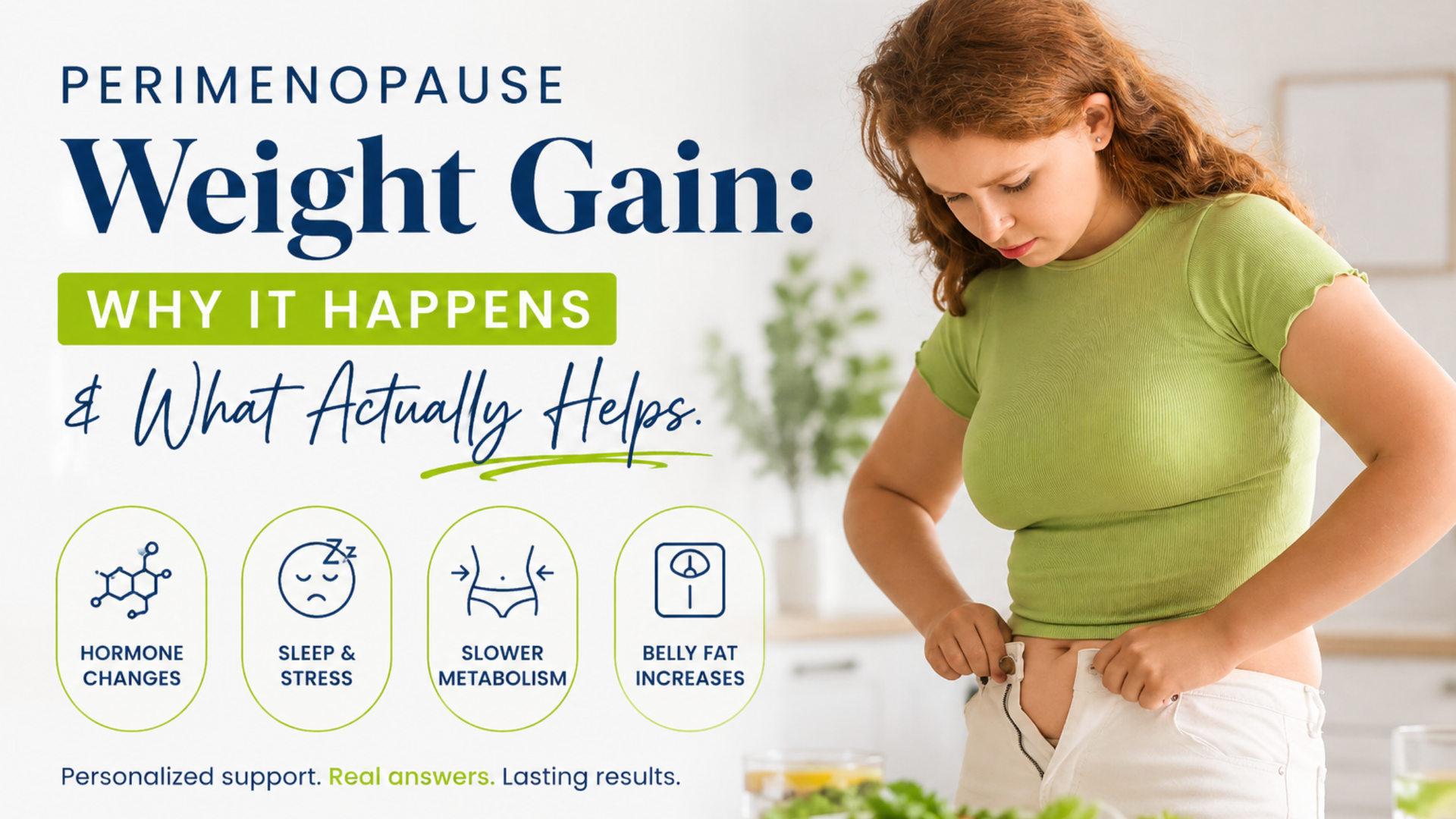
- You've entered perimenopause or menopause.
- Your father had a heart attack relatively young.
- Your mother had cardiovascular disease.
- You exercise and eat reasonably well, yet certain numbers continue moving in the wrong direction.
None of these automatically means you have heart disease. But they can provide pieces of information that deserve to be considered together rather than separately.
That's an important part of the way I approach cardiovascular health. I don't just want to know whether today's laboratory result has an H or L beside it. I want to understand the pattern.
Heart Disease Often Develops Quietly
One reason cardiovascular prevention matters so much is that heart disease doesn't always announce itself early.
High blood pressure, abnormal cholesterol and early metabolic dysfunction can exist without making you feel sick. You can go to work. Exercise. Take care of your family. Feel relatively healthy.
Meanwhile, risk factors may be changing quietly.
That's why waiting for symptoms isn't a cardiovascular prevention strategy. For some people, the first obvious indication of cardiovascular disease can be a serious event. Prevention gives us an opportunity to pay attention before that happens.
The Menopause-Heart Connection Women Need to Know About
This conversation becomes especially important for women in their 40s, 50s and beyond.
Most women know menopause can cause hot flashes. They may expect changes in sleep, menstrual cycles or mood. What many women don't realize is that the menopause transition is also an important time to reassess cardiovascular and metabolic health.
Changes occurring during midlife can overlap with changes in:
- Cholesterol
- Blood pressure
- Blood sugar regulation
- Body composition
- Abdominal fat
- Muscle mass
- Sleep
- Physical activity
The American Heart Association has specifically highlighted the menopause transition as an important period for cardiovascular risk assessment and prevention.
This doesn't mean menopause automatically causes heart disease. It means this is a time when women should be paying attention. Blood pressure is a good example. Learn more in Hypertension and Menopause: Why Women Need to Pay Attention.
Another Aha Moment: Menopause care isn't only about hormones. Your heart, blood vessels, metabolism, muscle, bone health, sleep and overall health are part of the conversation, too.
This is an area I'm particularly passionate about because my background allows me to look at women's midlife health through both a functional medicine and cardiovascular lens.
When hormone replacement therapy is being considered, I work alongside a patient's gynecologist or menopause specialist. I don't prescribe HRT. My role is to look at the other pieces of the picture, including cardiovascular and metabolic health, thyroid function, nutrition, sleep, body composition and lifestyle.
Family History Matters More Than Many People Realize
Here's another question I want patients to be able to answer: Who in your family has had heart disease, and how old were they when it happened?
Don't stop at "My dad had heart problems." Ask: What happened? Heart attack? Stroke? Bypass surgery? Stent? And most importantly: How old were they?
A history of premature cardiovascular disease in close relatives can be an important risk factor.
Your family history isn't your destiny. But it is information. And good preventive medicine uses that information rather than ignoring it.
What Does Functional Medicine Add to Cardiovascular Prevention?
The term "functional medicine" can sometimes sound complicated. My approach is actually fairly simple: I want to understand why your health is moving in a particular direction.
- If your blood pressure is increasing, why?
- If your blood sugar is changing, what may be contributing?
- If your cholesterol pattern has changed, what else changed around the same time?
- If you've gained abdominal weight during menopause, what is happening with your sleep, activity, muscle mass, metabolic health and thyroid?
Instead of viewing each finding as an isolated problem, functional medicine looks for relationships.
That doesn't mean rejecting conventional medicine. Quite the opposite. I spent years practicing in cardiac surgery, and I have tremendous respect for what modern cardiovascular medicine can do. But my experience in the operating room also made me deeply interested in prevention.
Today, my goal is to combine that cardiovascular background with a more comprehensive approach to understanding each patient.
You Don't Necessarily Need More Tests. You Need the Right Questions.
This is an important distinction.
There's a tendency in health information online to turn every new biomarker into another test everyone believes they need. That's not personalized medicine.
Your evaluation should be based on you: your age, your medical history, your family history, your current numbers, your previous numbers, your medications, your symptoms, your lifestyle, your stage of life and your individual risk factors.
Sometimes routine testing provides exactly the information we need. Sometimes the bigger picture suggests that looking deeper may be appropriate. Knowing the difference is part of the clinical work.
That's also why I don't believe patients should have to become their own cardiologist after reading an article online. My goal isn't to give you a shopping list of laboratory tests. It's to help you understand when your health may deserve a deeper conversation.
What Can You Do Today for Your Heart?
You don't need sophisticated testing to start protecting your cardiovascular health. Start with the fundamentals.
- Know your blood pressure. Don't assume it's normal because you feel well.
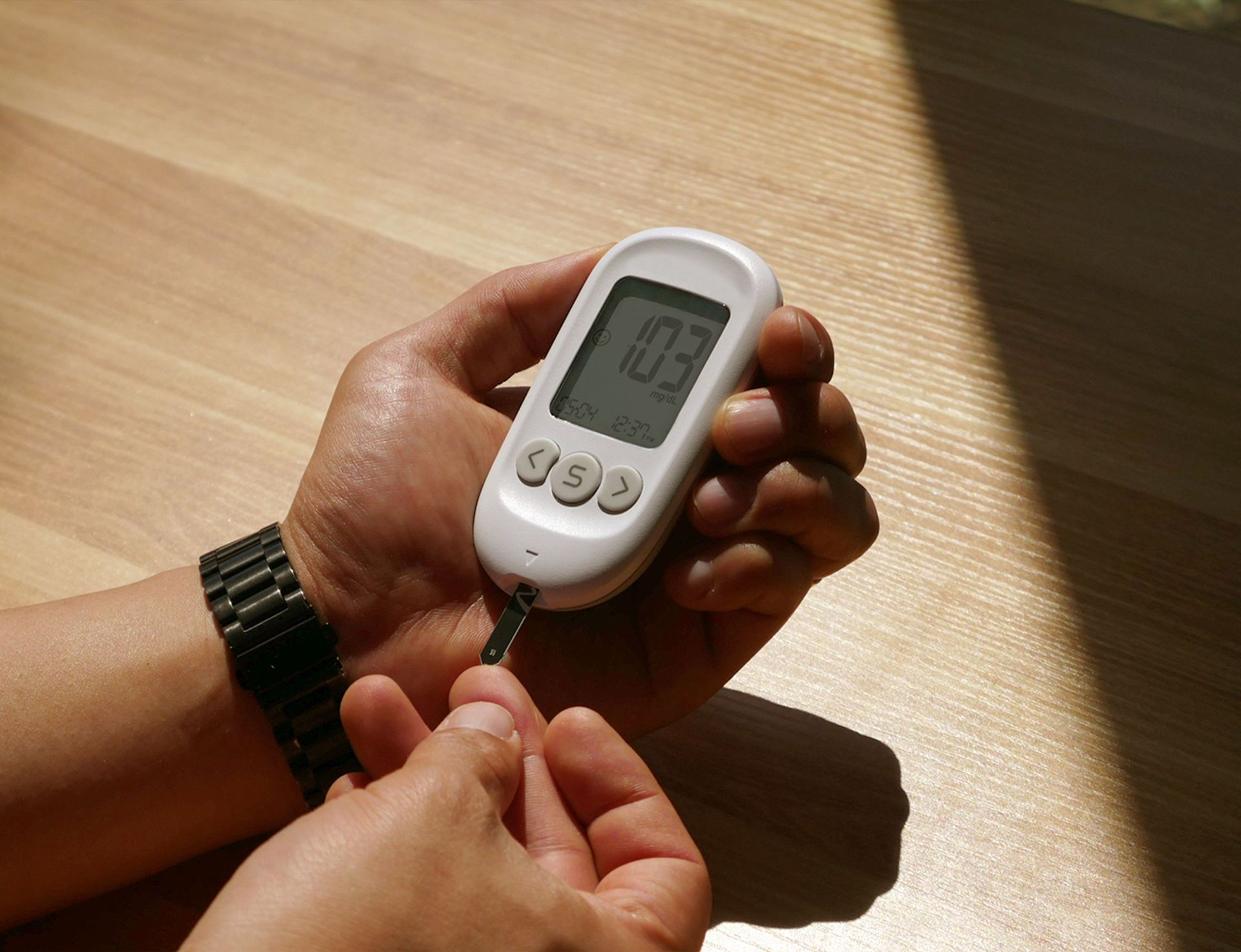
- Know your actual cholesterol numbers. "My doctor said it was fine" isn't the same as knowing your results.
- Know your blood sugar history. Look at trends over time rather than focusing only on whether you've crossed the threshold for diabetes.
- Know your family history. Especially cardiovascular disease occurring at younger ages.
- Move your body. Cardiovascular exercise matters, and maintaining muscle becomes increasingly important as we age.
- Prioritize sleep. Sleep is not separate from cardiovascular and metabolic health.
- Eat for long-term health. Build meals around vegetables, fiber-rich foods, quality protein and healthy fats while limiting heavily processed foods.
And perhaps most importantly: pay attention to change. Your numbers today should not always be interpreted in isolation from what they were five years ago.
Frequently Asked Questions
Can you have heart disease even if your cholesterol is normal?
Yes. Cholesterol is an important cardiovascular risk factor, but it is not the only one. Blood pressure, diabetes and metabolic health, smoking, age, family history, genetics and other factors can influence cardiovascular risk. A cholesterol result within a laboratory's reference range does not guarantee that someone has no cardiovascular risk.
Why would I need a deeper heart-health evaluation if my cholesterol is normal?
Not everyone does. A deeper evaluation may be appropriate when your medical history, family history, changing health markers or other cardiovascular risk factors suggest that a routine cholesterol panel may not provide the entire picture. The decision should be individualized with your healthcare provider.
Does menopause increase heart disease risk?
Cardiovascular risk changes as women age, and the menopause transition is recognized as an important time to reassess heart and metabolic health. Hormonal changes occur alongside changes in cholesterol, body composition, blood pressure and other factors. Menopause does not mean a woman will develop heart disease, but midlife is an important opportunity to focus on prevention.
What does a functional medicine doctor look at for heart health?
A functional medicine approach considers cardiovascular health in the context of the whole person. That may include medical and family history, blood pressure, metabolic health, nutrition, physical activity, sleep, stress, thyroid health, body composition, medications and other individual risk factors. The specific evaluation should be personalized rather than identical for every patient.
Can lifestyle really make a difference in heart disease prevention?
Yes. Physical activity, nutrition, avoiding tobacco, maintaining healthy blood pressure, addressing diabetes and metabolic health, getting adequate sleep and following appropriate medical treatment can all play important roles in reducing cardiovascular risk.
Is there a functional medicine physician for heart health near Stamford, Greenwich or Westport, Connecticut?
Dr. Lisa Gengo is a functional medicine physician in Stamford, Connecticut, with extensive prior experience in cardiac surgery. Her practice serves patients from Stamford, Greenwich, Westport, Darien, New Canaan, Norwalk, throughout Fairfield County and the greater Tri-State area.
Your Numbers Are Data. The Bigger Picture Is Your Health.
If you've been told your cholesterol is "normal," that's good information. But it shouldn't be the only information you know about your heart.
Your cardiovascular health is a story made up of your numbers, your history, your genetics, your lifestyle and how those pieces interact over time.
The goal isn't to chase every possible test. It's to ask better questions. And sometimes the most important one is: "Are we looking at my whole cardiovascular picture?"
If you're ready to take a more comprehensive look at your cardiovascular and metabolic health, schedule a complimentary 15-minute Discovery Call with Dr. Lisa Gengo in Stamford, Connecticut. Call 203-434-9143 or visit DrGengo.com.
You can also start with Dr. Gengo's Heart Age Quiz to learn more about the factors that may influence your cardiovascular health.
Related reading: Heart Health | Understanding Cholesterol Lab Values | How to Lower Cholesterol | Heart Attack Symptoms in Women | Perimenopause Weight Gain
This article is for educational purposes only and is not intended to diagnose, treat or replace individualized medical advice from your healthcare provider.