A Functional Medicine Guide to Gut Health and Chronic Bloating
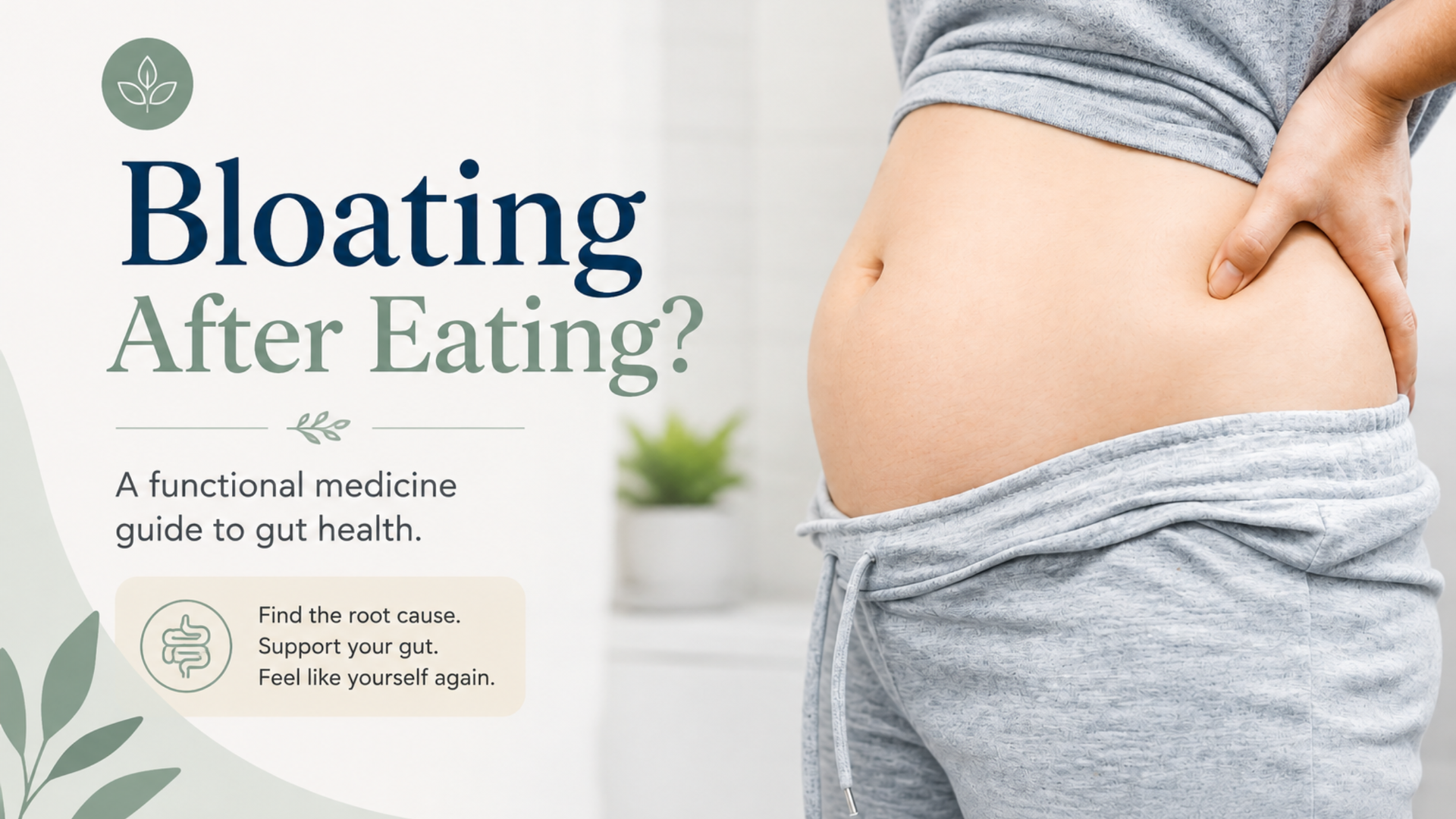
Bloating After Eating? A Functional Medicine Guide to Gut Health
Do you feel like your stomach becomes swollen or uncomfortable after almost every meal? Maybe your pants fit perfectly in the morning but feel tight by dinner.
Perhaps you've been told,
"It's just IBS."
"Cut out gluten."
"That's just how your stomach is."
While occasional bloating after a large meal is normal, persistent bloating isn't something you should simply learn to live with. At Dr. Lisa Gengo's practice, bloating is viewed as a symptom—not a diagnosis.
Instead of asking "What food caused this?", we ask a more important question: Why is your digestive system struggling in the first place?
What Is Bloating?
Bloating is the feeling of fullness, pressure, or swelling in the abdomen.
Some people experience:
- A visibly swollen stomach
- Excess gas
- Abdominal pressure
- Frequent belching
- Constipation
- Diarrhea
- Cramping
- Feeling overly full after eating only a small amount
- Occasional bloating is common. Daily bloating is not.
If you frequently feel uncomfortable after meals, your body may be signaling an underlying digestive imbalance.
Occasional bloating after a large meal is common. Bloating after nearly every meal deserves further evaluation.
Why Do I Feel Bloated After Eating?
There isn't one single cause. For many patients, bloating develops because digestion isn't working as efficiently as it should.
Several factors may contribute.
1. Small Intestinal Bacterial Overgrowth (SIBO)
One of the most overlooked causes of chronic bloating is Small Intestinal Bacterial Overgrowth, commonly called SIBO. Normally, most bacteria live in the large intestine.
With SIBO, excessive bacteria grow in the small intestine, where they ferment carbohydrates before they're fully digested.
This fermentation produces excess gas, leading to:
- Bloating
- Abdominal discomfort
- Excessive gas
- Constipation
- Diarrhea
- Brain fog
- Nutrient deficiencies
Many patients notice symptoms becoming worse shortly after meals.
2. Food Sensitivities
Food sensitivities differ from food allergies. Rather than causing an immediate allergic reaction, food sensitivities may contribute to delayed digestive symptoms.
Common triggers include:
- Dairy
- Gluten
- Eggs
- Soy
- Corn
However, eliminating foods without understanding why they trigger symptoms may not solve the underlying problem.
3. Low Stomach Acid
Many people assume digestive symptoms are caused by too much stomach acid. Surprisingly, some people actually have too little.
Adequate stomach acid helps:
- Break down protein
- Absorb nutrients
- Kill harmful bacteria
- Prepare food for digestion
When stomach acid is insufficient, digestion becomes less efficient, potentially contributing to bloating, indigestion, and nutrient deficiencies.
4. Digestive Enzyme Insufficiency
Your pancreas produces enzymes that help digest:
- Protein
- Fat
- Carbohydrates
If enzyme production is inadequate, food may not be fully broken down before reaching the intestines, where bacteria ferment it and create gas.
5. An Imbalanced Gut Microbiome
Your digestive tract is home to trillions of bacteria. Together they form your gut microbiome.
A healthy microbiome helps:
- Digest food
- Produce vitamins
- Support immune function
- Protect against harmful organisms
- Influence metabolism
When the balance of beneficial and harmful bacteria shifts, digestive symptoms often follow.
6. Constipation
If stool moves slowly through the digestive tract, gas has more time to build up. Many people think constipation simply means "not going every day."
In reality, constipation may also include:
- Hard stools
- Straining
- Feeling incompletely emptied
- Bloating
- Abdominal discomfort
Improving bowel function often improves bloating as well.
7. The Gut-Brain Connection
Have you ever noticed your stomach acting up during stressful times? That's not a coincidence. The digestive system and brain communicate continuously through what's known as the gut-brain axis.
Chronic stress can influence:
- Digestion
- Stomach acid production
- Gut motility
- The gut microbiome
- Pain sensitivity
For some people, stress becomes one of the biggest contributors to digestive symptoms.
8. Could It Be IBS?
Irritable Bowel Syndrome (IBS) is one of the most common digestive diagnoses.
Symptoms may include:
- Bloating
- Constipation
- Diarrhea
- Abdominal pain
- Gas
IBS is considered a functional gastrointestinal disorder, meaning symptoms occur without a single structural abnormality explaining them. Rather than stopping at the IBS label, Dr. Gengo evaluates potential contributors that may be driving symptoms.
What Does the Latest Research Say?
Research over the past decade has transformed our understanding of gut health. Scientists now recognize that the gut microbiome influences much more than digestion.
Emerging research has linked gut health to:
- Immune function
- Metabolism
- Mood and anxiety
- Brain health
- Inflammation
- Blood sugar regulation
- Cardiovascular health
This growing body of evidence reinforces the importance of evaluating digestive symptoms rather than dismissing them as "normal."
Why "Just Avoid Gluten" Isn't Always the Answer
One of the most common pieces of advice people receive is:
"Just stop eating gluten."
Or dairy.
Or sugar.
Or carbohydrates.
While dietary changes may reduce symptoms for some people, they don't necessarily explain why your digestive system became sensitive in the first place.
Many patients find themselves eliminating more and more foods over time without ever feeling completely better.
Instead of endlessly restricting your diet, it's important to understand what's driving the symptoms.
Did You Know?
The goal isn't to create the most restrictive diet possible.
The goal is to help you enjoy the widest variety of nutritious foods your body can comfortably tolerate.
How Dr. Gengo Evaluates Gut Health
Every patient is different.
Depending on your symptoms and medical history, your evaluation may include:
- Comprehensive stool analysis
- Gut microbiome assessment
- SIBO breath testing (when appropriate)
- Digestive enzyme markers
- Inflammatory markers
- Food sensitivity evaluation
- Nutritional assessment
- Lifestyle and stress review
Testing is personalized to help identify potential contributors to your symptoms rather than relying on guesswork.
What Actually Helps?
Treatment depends on the underlying cause.
Your personalized plan may include:
- Nutrition tailored to your digestive health
- Temporary elimination of trigger foods when appropriate
- Restoring a healthy gut microbiome
- Supporting digestive enzymes
- Improving stomach acid function when indicated
- Stress management
- Optimizing sleep
- Supporting healthy bowel movements
Rather than simply masking symptoms, the goal is to improve digestive function and help you feel comfortable after eating again.
Frequently Asked Questions
Is bloating after every meal normal?
No. Occasional bloating can happen, but persistent bloating after nearly every meal should be evaluated.
Can stress really cause bloating?
Yes. Stress can affect digestion, gut motility, stomach acid production, and the gut microbiome through the gut-brain axis.
Should I stop eating gluten?
Not necessarily. While gluten can contribute to symptoms in some individuals, eliminating it without understanding the underlying cause may not resolve the problem. It's best to discuss dietary changes with your healthcare provider.
Can probiotics help?
Sometimes—but not always. Different probiotic strains have different effects, and in some conditions, such as certain cases of SIBO, probiotics may not be appropriate initially. Personalized guidance is important.
How long does it take to heal the gut?
Recovery depends on the underlying cause, your overall health, and how long symptoms have been present. Many patients begin noticing improvement within weeks of starting an individualized treatment plan, though lasting healing often takes longer.
Why Choose Dr. Lisa Gengo?
Dr. Lisa Gengo combines conventional medical experience with naturopathic and functional medicine to help patients uncover the root causes of digestive symptoms.
Rather than simply treating bloating, she evaluates how your gut health, nutrition, hormones, metabolism, thyroid function, stress, and lifestyle work together to influence your overall health.
Because when your gut functions better, many other aspects of health often improve too.
Ready to Feel Better After You Eat?
If bloating, gas, constipation, diarrhea, or digestive discomfort have become part of your daily routine, you don't have to keep guessing.
If you live in Stamford, Greenwich, Darien, New Canaan, Norwalk, Westport, or anywhere in Fairfield County, Dr. Lisa Gengo can help identify the factors that may be contributing to your symptoms and create a personalized plan to support lasting digestive health.
Schedule your complimentary 15-minute Discovery Call today to start getting answers. 203-434-9143
Medical Disclaimer
This article is intended for educational purposes only and should not be considered medical advice. Always consult your healthcare provider regarding your individual symptoms, diagnosis, and treatment options.
Dr. Lisa Gengo, a "health detective," excels in unraveling the underlying triggers of heart health challenges such as hypertension (cardiovascular health), gut disorders, thyroid disorders, and weight resistance. Her expert nutritional guidance is instrumental in addressing these concerns, which often play critical roles in conditions like weight gain, sleep disorders, and a spectrum of intricate medical issues. Click here to learn more about Dr. Gengo's holistic approach and specialized expertise. —Dr. Lisa Gengo's Functional Medicine Practice.
Related Articles
- Why Am I So Tired All the Time? Root Causes a Functional Medicine Doctor Looks For
- Perimenopause Weight Gain: Why It Happens & What Actually Helps
- Understanding Cholesterol Lab Values: A Simple Guide
- The Gut-Brain Connection: How Stress Affects Digestion (future blog)