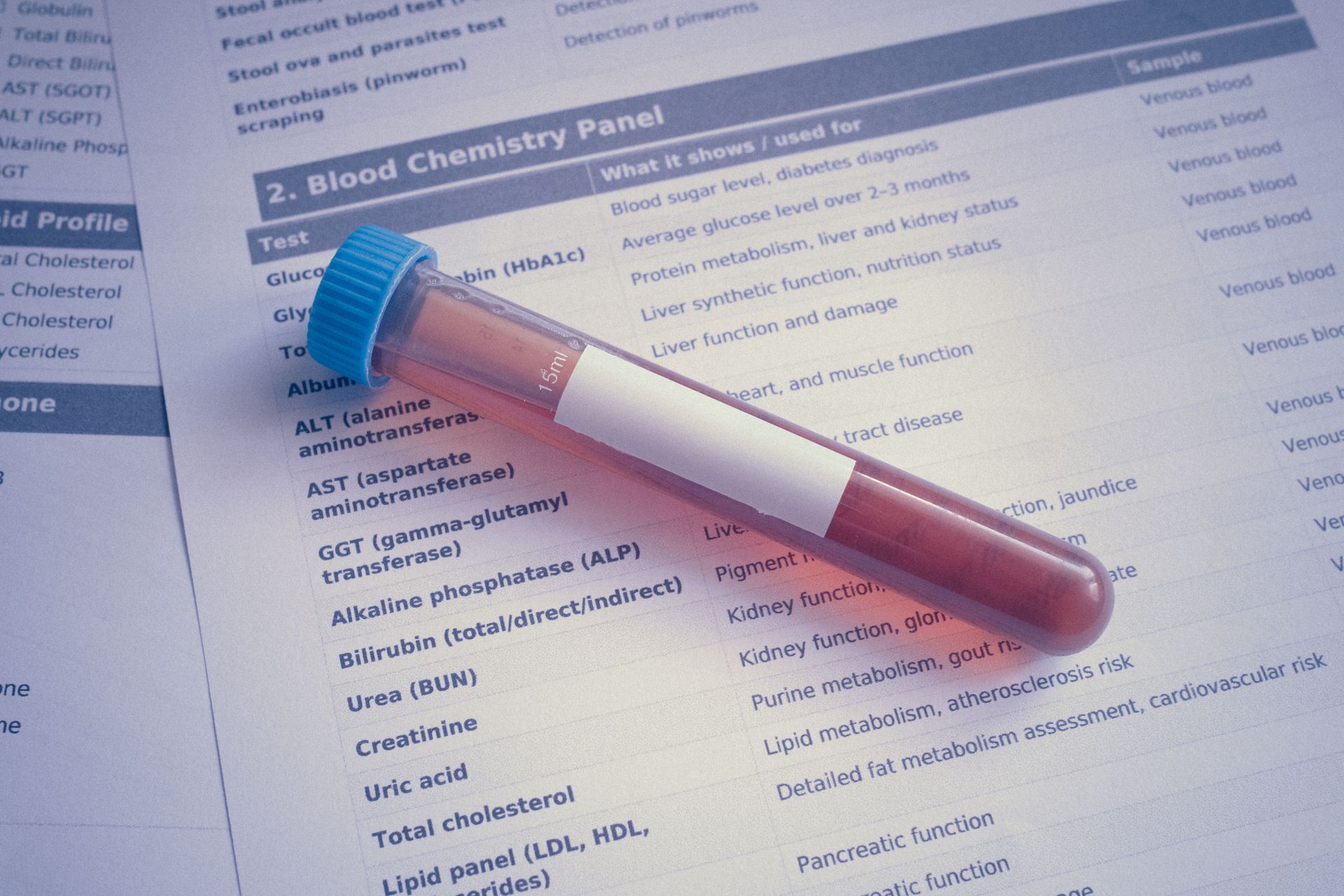
The Early Warning Signs Your Blood Sugar Test Can Miss
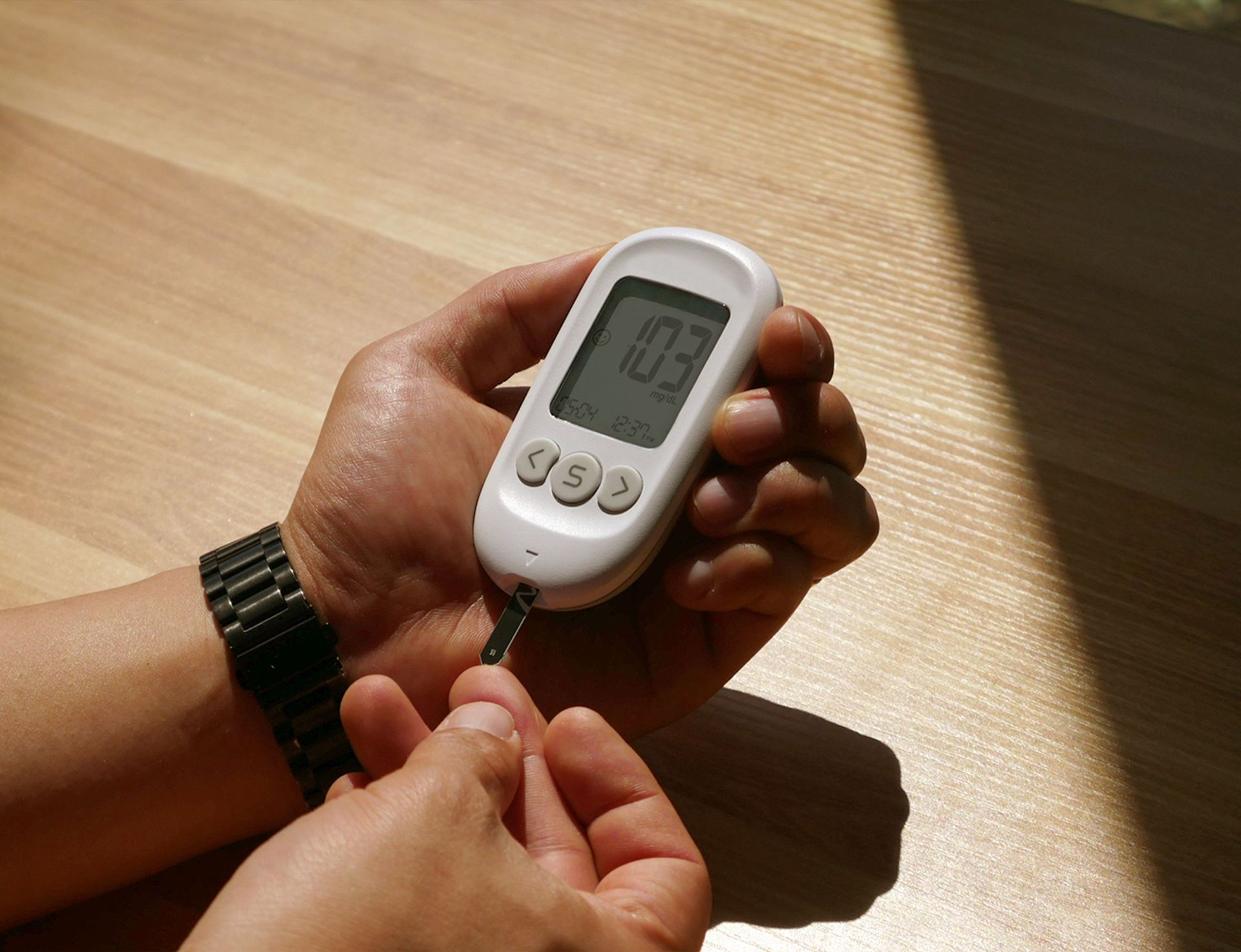
Insulin Resistance Symptoms: How to Know If You Have It Before It Becomes Diabetes
The short answer: Insulin resistance means your body has to produce more insulin to keep your blood sugar in a normal range. It can develop gradually over years, often before fasting glucose or HbA1c looks abnormal. Common clues include weight gain around the middle, energy crashes after meals, strong sugar cravings, and rising blood pressure or triglycerides. Looking at the right labs—sometimes including fasting insulin—can help identify it earlier.
According to the CDC, more than 1 in 3 American adults has prediabetes, and most of them don't know it. Many of the patients I see in Stamford, Norwalk, and Westport have never heard the words "insulin resistance" from a doctor, even though their bodies may have been sending signals for years.
The good news? Insulin resistance is often very responsive to change, especially when it's caught early.
"Normal" blood sugar doesn't always tell the whole story
Think of insulin as a key that lets sugar move from your blood into your cells. With insulin resistance, the locks become harder to open. Your pancreas often compensates by producing more insulin.
For a while, that works. Your blood sugar stays in range, so your lab results may look fine. But higher insulin levels can affect how your body stores fat, how hungry you feel, and how your blood vessels and blood pressure behave.
Over time, if the pancreas can no longer keep up, blood sugar begins to rise. That's often when people first hear the word "prediabetes." In many cases, the process started much earlier.
Common signs of insulin resistance
Insulin resistance doesn't always cause obvious symptoms, and none of these signs diagnose it on their own. But they are clues worth paying attention to:
- Weight that collects around your middle and is hard to lose
- An energy crash or brain fog after meals, especially lunch
- Sugar or carbohydrate cravings that feel hard to control
- Feeling hungry again soon after eating
- Skin tags or darker, velvety patches of skin on the neck or underarms
- Rising blood pressure or triglycerides, or low HDL cholesterol
- Irregular periods or a history of PCOS
Who is most at risk?
Anyone can develop insulin resistance, but your risk is higher if you:
- Have a parent or sibling with type 2 diabetes
- Carry extra weight around your waist, even if your overall weight is "normal"
- Had gestational diabetes or have PCOS
- Are in perimenopause or menopause
- Sit for most of the day
- Sleep poorly or work night shifts
- Live with ongoing stress
It's also worth knowing that people who are not overweight can have insulin resistance. Body size alone doesn't tell us what's happening metabolically.
Why this matters for your heart
Insulin resistance is closely connected to metabolic syndrome—a cluster that includes abdominal weight, high blood pressure, high triglycerides, low HDL cholesterol, and elevated blood sugar. Together, these factors increase the risk of heart disease and stroke.
After years working in cardiac surgery, I don't look at blood sugar as an isolated number. Metabolic health and cardiovascular health are deeply connected. That's why I look at the whole picture for patients concerned about their heart. You can learn more on our Heart Health page.
How functional medicine looks at insulin resistance
Conventional care often focuses on a diagnosis once lab values cross a certain threshold. Functional medicine asks an additional question: why is your body becoming less responsive to insulin, and what can we do about it now?
That means looking at the bigger picture—nutrition, sleep, stress, activity, hormones, gut health, medications, and family history—and building a plan around the root causes. Medication can be an important tool when it's appropriate, but it isn't the only one.
What I may look at
Depending on your symptoms and health history, evaluation may include:
- Fasting glucose and HbA1c
- Fasting insulin, when appropriate
- A lipid panel, including the triglyceride-to-HDL ratio
- Waist measurement and blood pressure
- Thyroid function and other factors that can affect metabolism
- Medications, sleep, and stress that may be contributing
The goal isn't to order every test available. It's to ask the right questions so we can choose the right ones.
The good news: insulin resistance is often reversible
This isn't about eating less or cutting out everything you love. It's about eating more of the foods that support steady blood sugar.
Add protein and fiber to every meal
Protein, fiber, and healthy fats slow how quickly sugar enters your bloodstream and help you stay full longer.
Crowd your plate with whole foods
Colorful vegetables, beans, nuts, seeds, olive oil, and fish provide nutrients that support your metabolism, your gut, and your blood vessels.
Walk after meals
Even a 10-minute walk after eating helps your muscles use glucose from your blood.
Build muscle
Strength training helps your cells become more sensitive to insulin. Muscle is one of the most important tools you have for metabolic health.
Protect your sleep
Poor or short sleep can make blood sugar regulation harder the next day. Consistent, restorative sleep supports everything else on this list.
What a day of eating for insulin balance can look like
This is a sample, not a strict plan. The goal is to show how satisfying "more good food" can be:
- Breakfast: Eggs scrambled with spinach and peppers, half an avocado, and a handful of berries
- Lunch: A large salad with salmon or chicken, chickpeas, olive oil, pumpkin seeds, and colorful vegetables
- Snack, if you're hungry: Apple slices with almond butter, or plain Greek yogurt with walnuts and cinnamon
- Dinner: Roasted chicken or fish, a generous serving of roasted vegetables, and a small portion of a whole-food starch like sweet potato or lentils
- After dinner: A short walk around the block
Notice what's on the plate, not what's missing. When meals are built around protein, fiber, and healthy fats, many people find their cravings ease over time.
How long does it take to improve?
Many people notice steadier energy and fewer cravings within a few weeks of changing how they eat, move, and sleep. Lab values take longer. HbA1c reflects roughly three months of blood sugar, so that's often when retesting makes sense.
Everyone responds differently, but the earlier insulin resistance is identified, the more options you have.
Frequently Asked Questions
Can you have insulin resistance with a normal A1c?
Yes. Insulin resistance can develop before HbA1c rises, because the body may produce extra insulin to keep blood sugar in range. Your healthcare provider can help determine whether additional testing, such as fasting insulin, makes sense for you.
What are the first signs of insulin resistance?
Early clues can include weight gain around the middle, energy crashes after meals, strong sugar cravings, and rising blood pressure or triglycerides. Many people have no obvious symptoms at all, which is why lab work matters.
Does insulin resistance cause weight gain?
It can contribute. Higher insulin levels encourage the body to store fat, particularly around the abdomen, and can make weight loss more difficult.
Can insulin resistance be reversed?
In many cases, yes. Changes to nutrition, physical activity, sleep, and stress can significantly improve insulin sensitivity, especially when addressed early.
Do you see patients outside Stamford?
Yes. Dr. Gengo sees patients from Stamford, Greenwich, Darien, New Canaan, Norwalk, Westport, and communities throughout Fairfield County.
Don't Wait for a Diagnosis
If you recognize yourself in these signs, you don't have to wait for your blood sugar to catch up. Understanding what's happening now gives you the chance to change the direction of your health.
Call 203-434-9143 to schedule a discovery call with Dr. Gengo in Stamford.
Related reading: Why Do I Wake Up at 3 AM? · Perimenopause Weight Gain · Heart Health
About Dr. Lisa Gengo
Dr. Lisa Gengo is a functional medicine physician and naturopathic physician serving Stamford, Greenwich, Darien, New Canaan, and communities throughout Fairfield County. With a background in cardiac surgery and a focus on cardiovascular, metabolic, thyroid, gut, and nutritional health, Dr. Gengo takes the time to listen, connect the dots, and look beyond symptoms to understand what may be affecting your health. Her goal is to help you feel informed, supported, and empowered to build a healthier path forward—one that is personalized to you. www.drgengo.com
This article is for educational purposes only and isn't a substitute for personal medical advice. Please talk with your healthcare provider about your symptoms.